Testimonials
African Ancestry is a requirement. I loved the results that I got on my African ancestry. It showed that my mothers family was originally from Cameroon. I shared the information with my entire family.



Featured in:



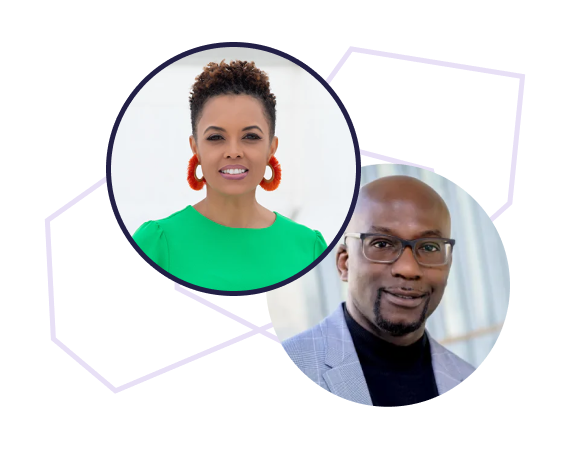
In 2003, Dr. Rick Kittles along with Dr. Gina Paige. took his years of research on genetic variation and his passion for the movements of African people throughout the world to create a new way for people across the Diaspora to reconnect with Africa and find their lost heritage.

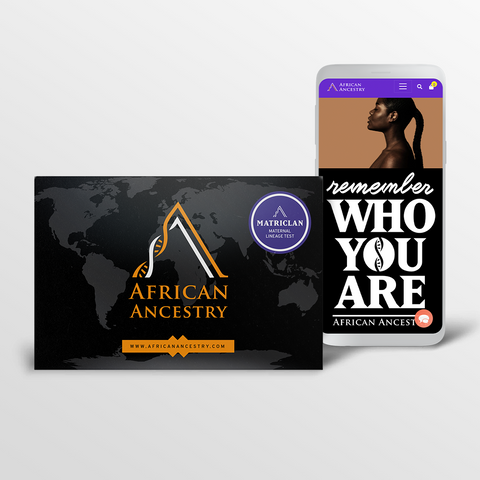
Includes everything you need to trace your mtDNA, submit your cheek swab and receive your digital results.
$299.00

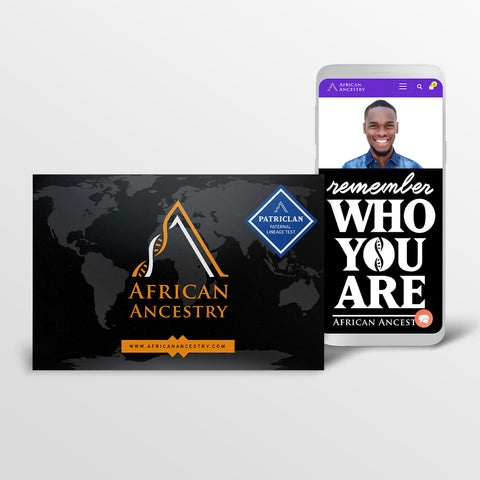
Includes everything you need to trace your Y-DNA, submit your cheek swab and receive your digital results.
$299.00

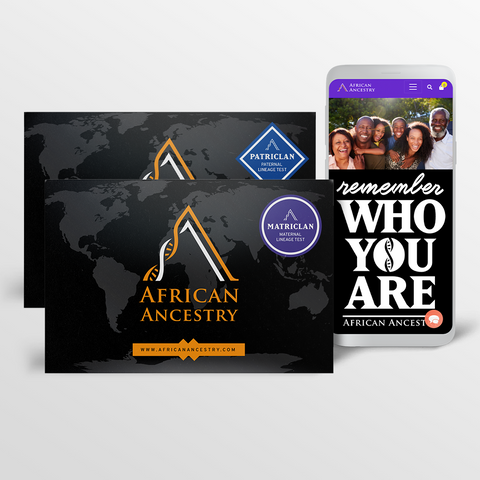
Includes both test kits, six personalized Certificates Of Ancestry and four country of origin tees.
$799.00

You or a family member takes a simple cheek swab and sends it back to us.

We analyze your DNA, compare it to our database, then destroy your sample.

We determine your present-day country and ethnic tribe in Africa.

Then share your results with other family members on the same lineage.
The African Ancestry experience is a powerful and transformative experience.

Track the status of your test
Get your results delivered digitally
Discover your genetic sequence and information such as haplogroups
Find your country and tribe of origin with our Certificate Of Ancestry
Learn about your ancestors with our “Guide to African History and Cultures”
Share your results with other family members
Get exclusive access to our Facebook Community
Expand the way you see yourself
Reconnect to your African ancestors
Create a legacy for future generations

African Ancestry is a requirement. I loved the results that I got on my African ancestry. It showed that my mothers family was originally from Cameroon. I shared the information with my entire family.
Best Purchase I Made! This test was easy to do and the best purchase I made for myself in a long time! There is nothing like being able to say that you ARE “African-American.” And you know where your people originate from. I highly recommend this test as its the gift that keeps on giving with knowledge of self and knowledge for your family.
Totally Worth It! It’s a simple process from beginning to end. Although it takes time to get your results, they remain in communication with you periodically to let you know you are not forgotten. My results impacted me and my entire family. I am a Black Woman in America and I KNOW WHO I AM.
Testimonials
Testimonials
Working with African Ancestry was truly an enriching experience. I love that they exist and that they expand identity beyond the borders of this country. The work they do is scientific for sure, but it’s also spiritual.
Recognizing differences and valuing inclusion has long been part of Booz Allen’s culture and diversity remains one of our Core Values. We were honored to partner with African Ancestry as part of our firm-wide celebration of Black History Month.
We brought African Ancestry to George Mason University in celebration of our annual Black and African Heritage Month. African Ancestry has left an indelible mark on the lives of those in attendance! One of the most rewarding events we have had the pleasure of hosting on campus!


We destroy 100% of your DNA samples & DO NOT sell or share your genetic info.
As the pioneers of genetic ancestry tracing for Black people globally, we can reconnect you to your specific African roots–the country and the people. Our strength is based on owning the world’s largest and most comprehensive database of African DNA.

From the people who have paved the way to the places that inspire us to the spaces that have become sacred.

Chadwick Boseman On Taking The "Right Test"

The Roots Of Selah Marley

Q-Tip Connects With Jola Ekonting Musicians

The Sister Circle Reconnects With Their Ancestors

“I can’t wait to go to Bioko Island … to have the sun in that part of the region on my body and know that I’m home.”

Bubi People of Bioko Island


